TGF- is another pivotal cytokine in ALD, primarily involved in liver fibrosis, one of the hallmarks of chronic liver injury.88 Ethanol and its metabolite, acetaldehyde, increase the expression of TGF-1 in HSCs, activating them to produce ECM proteins such as collagen, which leads to the accumulation of fibrotic tissue in the liver.89 In addition to its fibrogenic effects, TGF- inhibits matrix-degrading proteolytic enzymes, further contributing to fibrosis by preventing the breakdown of the ECM.89 TGF- also exerts direct effects on hepatocytes, inducing apoptosis and inhibiting proliferation, which exacerbates liver injury and impairs the livers ability to regenerate following damage.90 91 Furthermore, TGF- influences immune cell function by polarising macrophages towards an M2 phenotype, which is associated with tissue remodelling and fibrosis.92 Despite its central role in fibrosis, TGF- exhibits complex and sometimes contradictory effects.93 94 While it promotes fibrogenesis, it can also have anti-inflammatory and tissue repair functions.93 This multifunctional nature presents a significant challenge in targeting TGF- as a therapeutic strategy for ALD
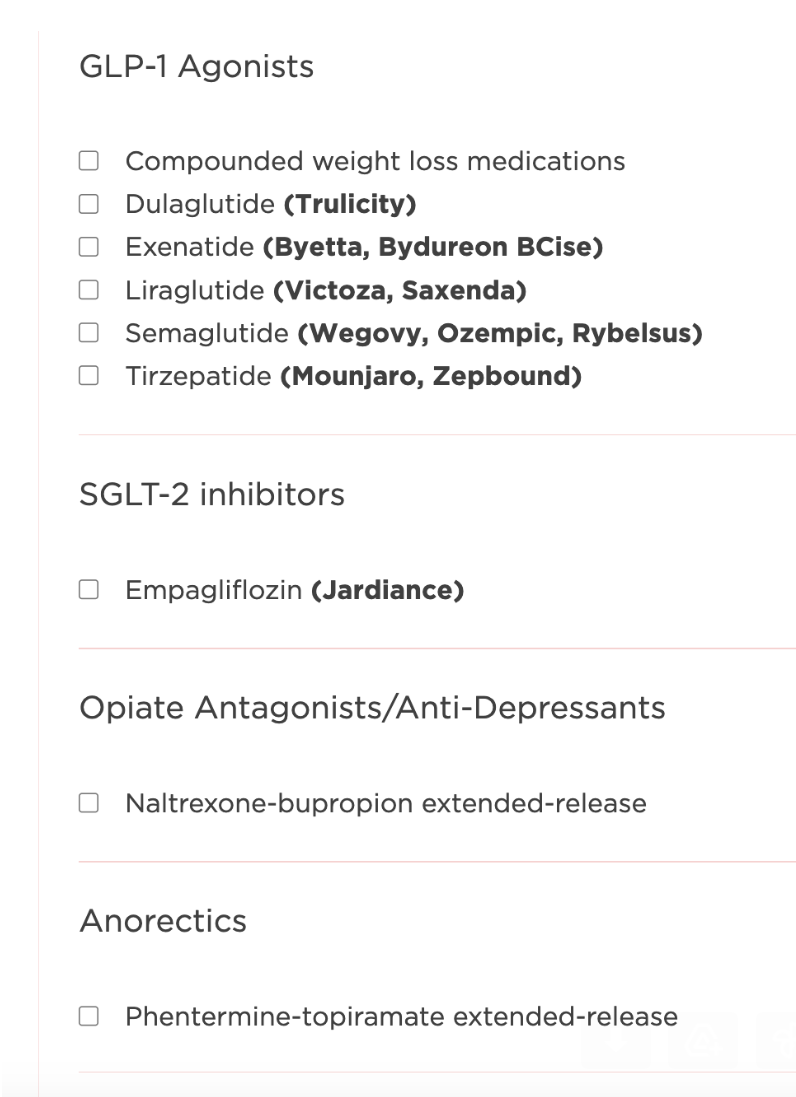
Peptide therapy can be used in conjunction with other therapies such as hormone therapy to enhance and increase results
COMMON IV INFUSIONS WE ADMINISTER Formulated for nutrition, health and wellness Glutathione IV Learn More What is it
The common thread is appetite regulation via pathways that tell your brain youve had enough to eat
Ricardo Jimenez-Mendez was an employee of Grupo Roche Syntex de Mexico at the time this study was performed
















:max_bytes(150000):strip_icc():focal(745x164:747x166)/Ozempic-costco-040324-tout-9c37daf8c3eb4ae5936e85c87b840495.jpg)