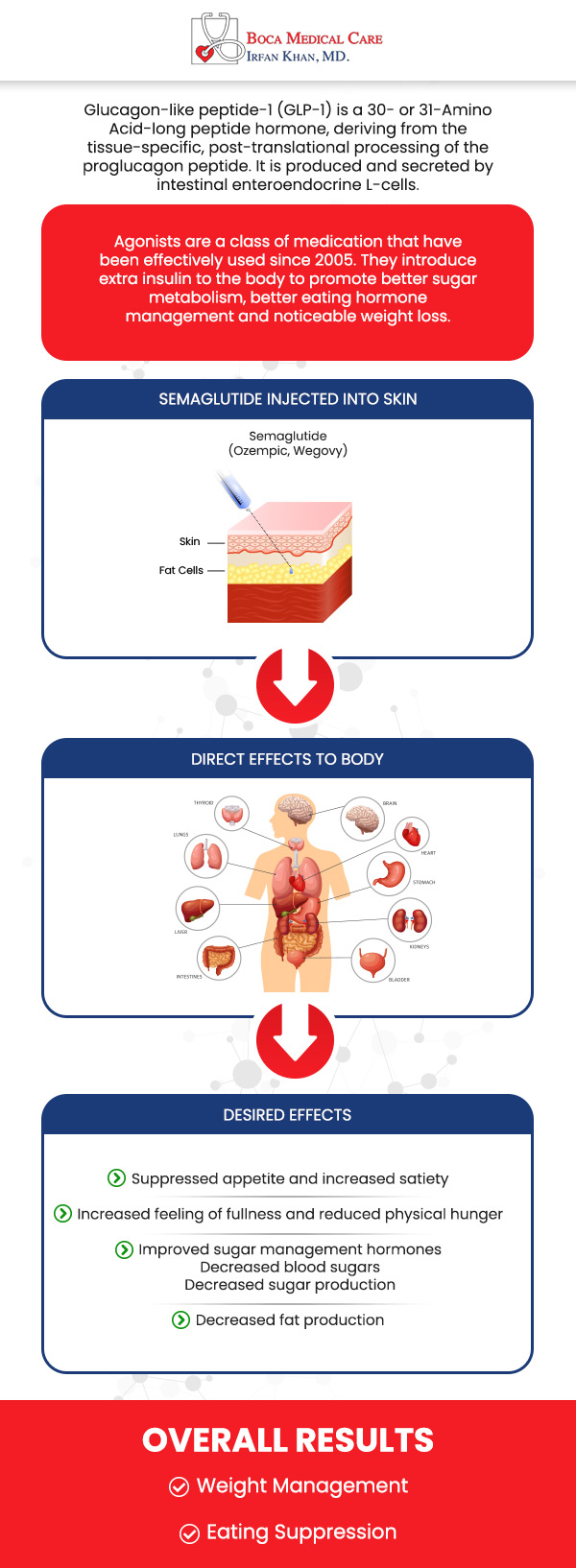
How do GLP-1 receptor agonists reduce cardiovascular risks in patients with a history of atherosclerotic cardiovascular disease (ASCVD), and why might these benefits be significant for long-term patient care
Small trials utilizing widely available antihistamine blockers for H1R and H2R in IBD fail to demonstrate clear efficacy, suggesting that they may not be critical in IBD pathogenesis
Distinct metabolic requirements of exhausted and functional virus-specific CD8 T cells in the same host
Understanding those data flows before you start is part of informed consent
Key Findings Disparities in outcomes across different patient groups defined based on race, ethnicity, gender, age, socio-economic factors, and other factors are significant and can be attributed to many intersectional drivers related to healthcare awareness, access and delivery, in addition to factors related to genetics While access and delivery of care are major factors driving disparities in outcomes, a comprehensive clinical development program that addresses diversity and ranges from pre-clinical and exploratory studies through randomized confirmatory trials for safety and efficacy through to post-approval real-world studies can advance understanding of optimal patient care, expand access to care, bring earlier insights, and accelerate innovation Stakeholders in the U.S








![Compounded SEMAGLUTIDE Single-dose Wellness Shots - 0.25mg to 2.40mg [CLINIC ONLY; NOT FOR DELIVERY] price in the Philippines](https://medsgo.ph/images/detailed/40/0.25mg_ompounded_SEMAGLUTIDE_Single-dose_Wellness_Shot_6c62-5a.jpg)