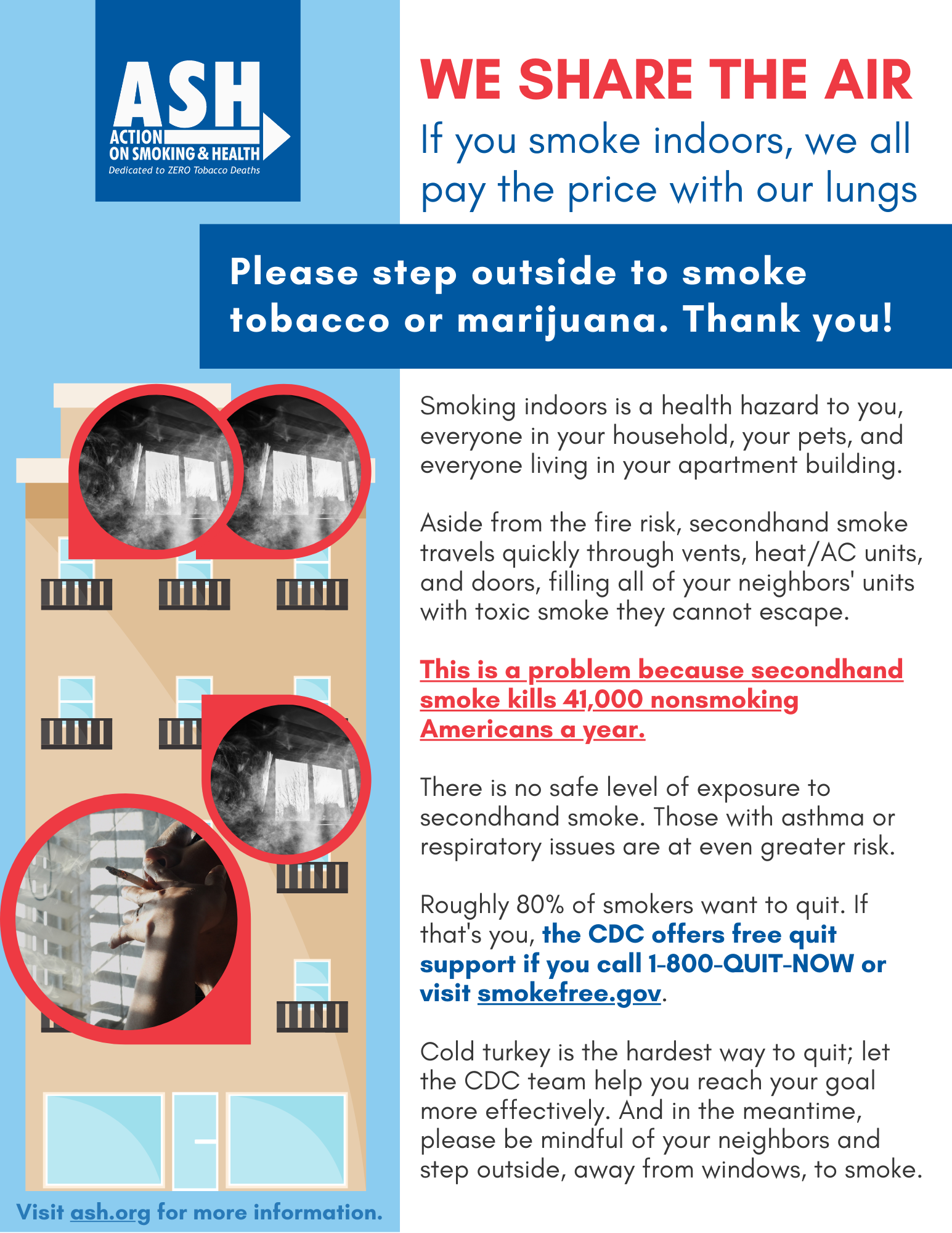
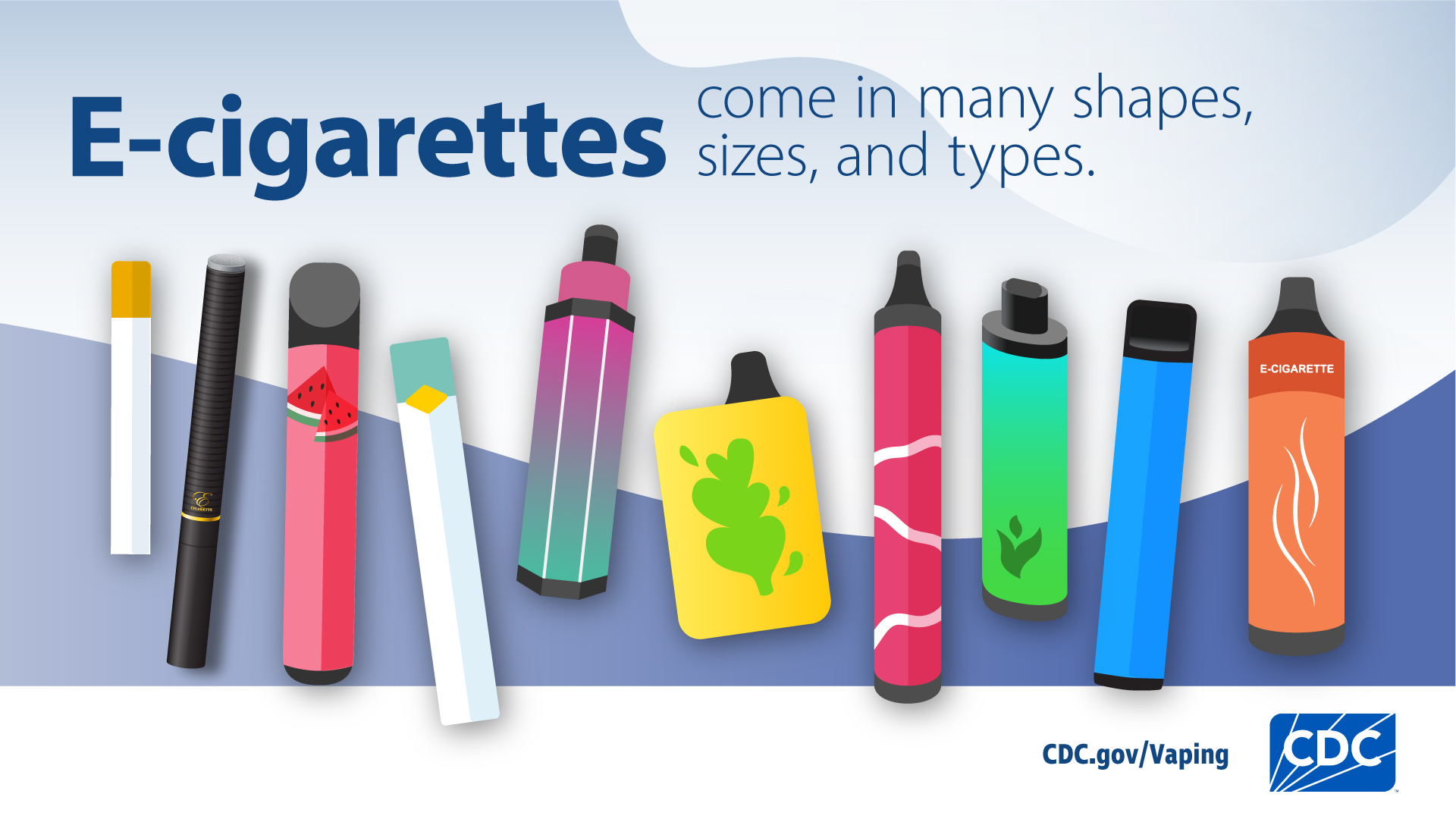
While e-cigarettes are less toxic than cigarettes, they can make youth more likely to use regular cigarettes and still contain toxins and the addictive chemical nicotine, which is harmful to adolescent brain development
A 1979 study showed a 7 percent increase in distance cycled over two hours among subjects who consumed caffeine versus those who did not
The rechargeable segment in the e-cigarette and vape market is projected to attain a 45% share by 2035, fueled by the increasing use of rechargeable vaping as a non-toxic alternative to traditional cigarettes
In Barbados, the estimated prevalence of Cigarettes use was 6.5% in Barbados

Key sources included the US Food & Drug Administration (FDA) Center for Tobacco Products, Federal Trade Commission (FTC) Smokeless Tobacco Reports, Centers for Disease Control and Prevention (CDC) Office on Smoking and Health, National Institutes of Health (NIH) National Cancer Institute, World Health Organization (WHO) Framework Convention on Tobacco Control (FCTC), European Commission Tobacco Products Directive (TPD), CDC National Youth Tobacco Survey, Global Adult Tobacco Survey (GATS), NIH Surveillance Epidemiology and End Results (SEER) Database, Tobacco Merchants Association (TMA) Statistical Reports, International Smokeless Tobacco Council (ISTC) Bulletins, Euromonitor International Tobacco Industry Database, Nielsen Retail Scanner Data (Convenience Track System), Eurobarometer Tobacco Special Surveys, national health ministry reports from India (Ministry of Health & Family Welfare), Bangladesh (Directorate General of Health Services), and Scandinavian public health agencies (Swedish Public Health Agency, Norwegian Institute of Public Health)







:max_bytes(150000):strip_icc()/depression-when-you-quit-smoking-2825274_final_CORRECTED-12cfa9b7417b4b809e12027e5ce6e2db.png)
:max_bytes(150000):strip_icc()/common-signs-of-nicotine-withdrawal-2824763_final1-c2763ac2d7434c99ab8d1671c2b4bc48.png)