A sizable literature of peer-reviewed academic studies supports these findings.[3] A 2017 study published in Public Finance Review provides the academic theory and estimates for how tax rates affect smuggling, highlighting that easily transportable goods (e.g., cigarettes) will be attractive cross-border shopping items.[4] A 2018 study published in the same journal supported those findings by examining littered packs of cigarettes across 132 communities in 38 states, finding that 21 percent of packs did not have proper local stamps.[5] LaFaive and Nesbit, the lead authors of the Mackinac Center study, note that smuggling comes in different forms: casual smuggling, where smaller quantities of cigarettes are purchased in one area and then transported for personal consumption, and commercial smuggling, which is a large-scale criminal activity that can involve counterfeit state tax stamps, counterfeit versions of legitimate brands, hijacked trucks, and officials turning a blind eye.[6] The Mackinac Center provides several anecdotes of smuggling activity over the many editions of its report, including a prison guard caught smuggling cigarettes into prisons, a Maryland police officer running illicit cigarettes while on duty, and a Virginia man hiring a contract killer over a cigarette smuggling dispute

Small qtys of seed are sent in paper padded mailers to protect the seed from being crushed during transit
Apply the match or your pipe lighter flame to the bowl in a circular motion, drawing gently on the pipe at the same time
The course aims to increase public health professionals awareness of global tobacco use and control in a changing landscape and provide resources for optimizing global tobacco control and prevention for new and emerging products
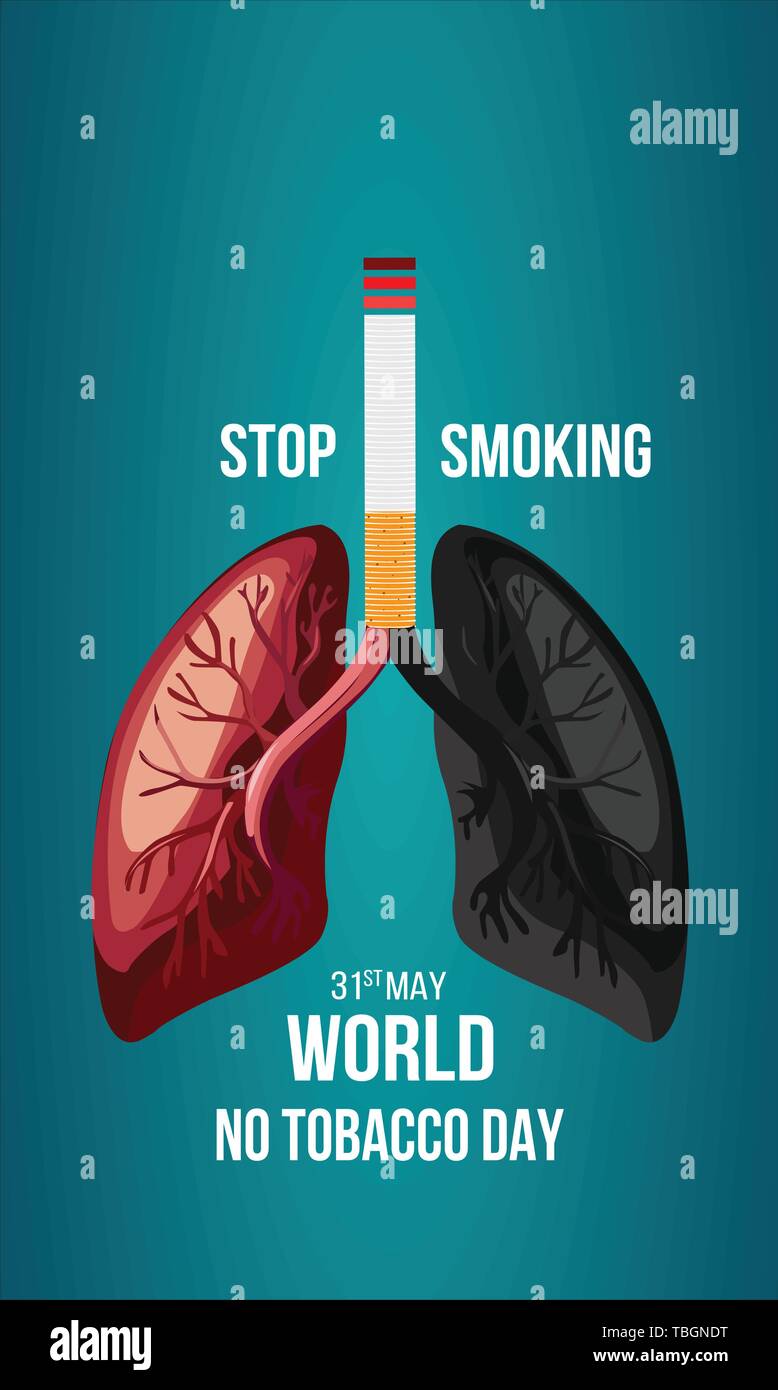
Whether or not you are trying to quit, it is essential to understand the unique effects of tobacco products on the human body