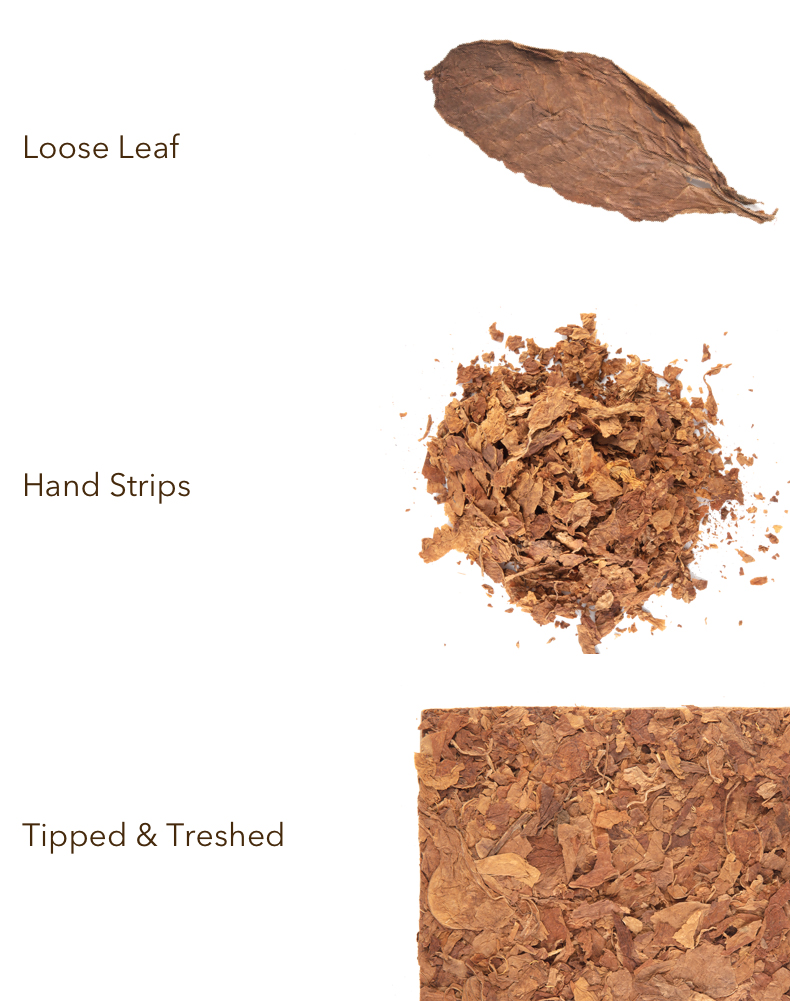
When smoked in this state, it demands more work to stay lit
Certain factors increase the likelihood of developing oral cancer: Long-term tobacco use (smoking or smokeless forms) Excessive alcohol consumption Poor oral hygiene Infection with human papillomavirus (HPV) Prolonged sun exposure (for lip cancer) The combination of tobacco and alcohol further increases the risk significantly
The smoke stays light and consistent, making it easy to enjoy
And, since the amount of tar in a cigarette is associated with the incidence of cancer, and the amount of nicotine ls related to heart disease, encouraging the development of lower tar, lower nicotine cigarettes ls a worthwhile endeavor read more
Proportion of this burden attributable to SLT use Prevalence of smokeless tobacco use We carried out a systematic literature search (see Additional file 1: Appendix 2 for a detailed description of the methods employed) for the point prevalence (current use) of SLT consumption among all adult (15 years) populations, and also for men and women separately