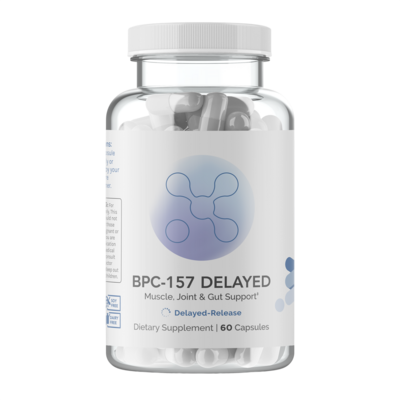


Taking very high doses of standard capsules can lead to digestive discomfort, and there is a limit to how much the body can process when the molecule is being broken down
Direct Physician Access You have convenient access to your providers via phone, text, or email for timely support
[UPDATED MONTHLY: MOAAs TRICARE Toolkit ] GLP-1 Basics All TRICARE users, to include those using TRICARE For Life, retain GLP-1 coverage if the drug is prescribed to treat Type 2 diabetes
Other risk factors that may increase vulnerability include: Long duration of diabetes (typically more than 10 years) Poor glycaemic control prior to starting GLP-1 therapy (HbA1c significantly above target) Rapid reduction in HbA1c (a drop of more than 2 percentage points [22 mmol/mol] within 36 months) Concurrent hypertension , especially if poorly controlled Diabetic kidney disease (nephropathy), which often correlates with retinopathy severity Previous history of retinal treatment (laser photocoagulation or intravitreal injections) People with type 2 diabetes but no retinopathy appear to have minimal risk of retinopathy progression based on current evidence
However, this mechanism also creates an environment where food spends more time in your digestive tract before moving forward