Here is a quick breakdown of the most important things to know: The core difference: Sterile water contains no preservatives and is strictly single-use
Another study found that GBE treatment uncoupled mitochondrial oxidative phosphorylation and reduced the mitochondrial free radicals in ischemic rat heart for 10 and 18 days ( Luteolin Luteolin is a polyphenolic compound derived from vegetables, fruits, and medicinal herbs
[DOI] [PMC free article] [PubMed] [Google Scholar] 78.Bocanegra M., Seijas A., Yibirn M.G

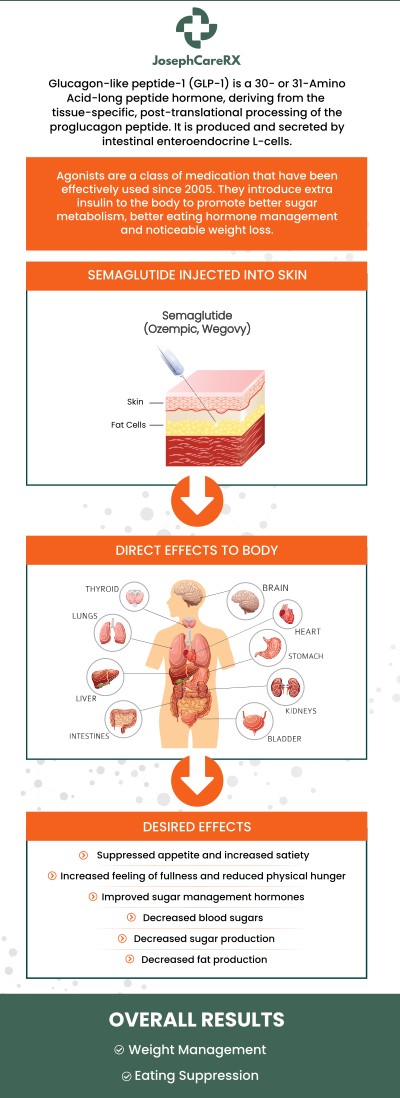
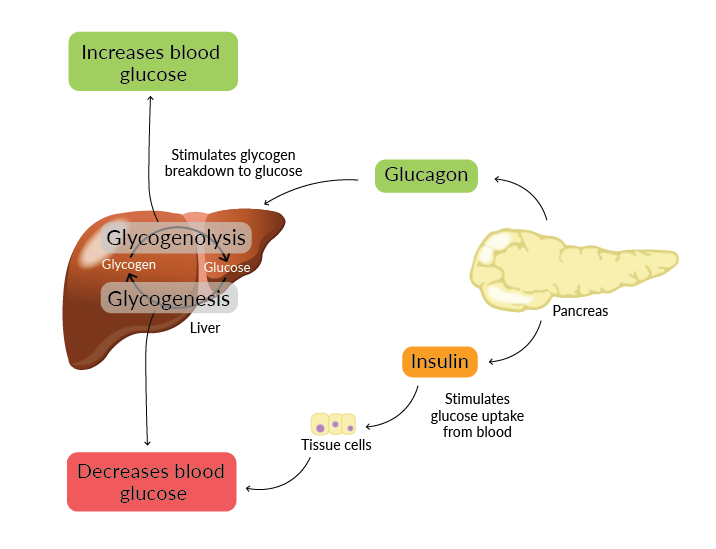
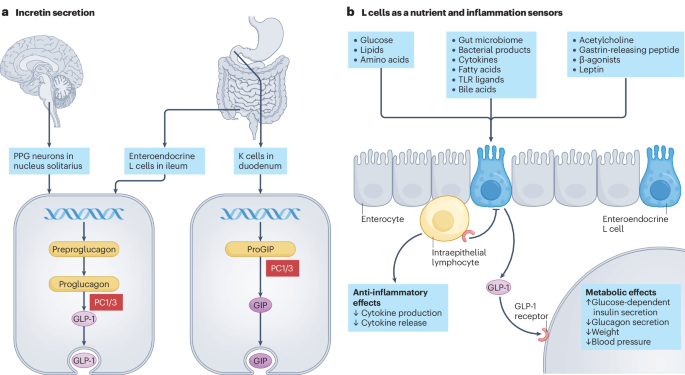
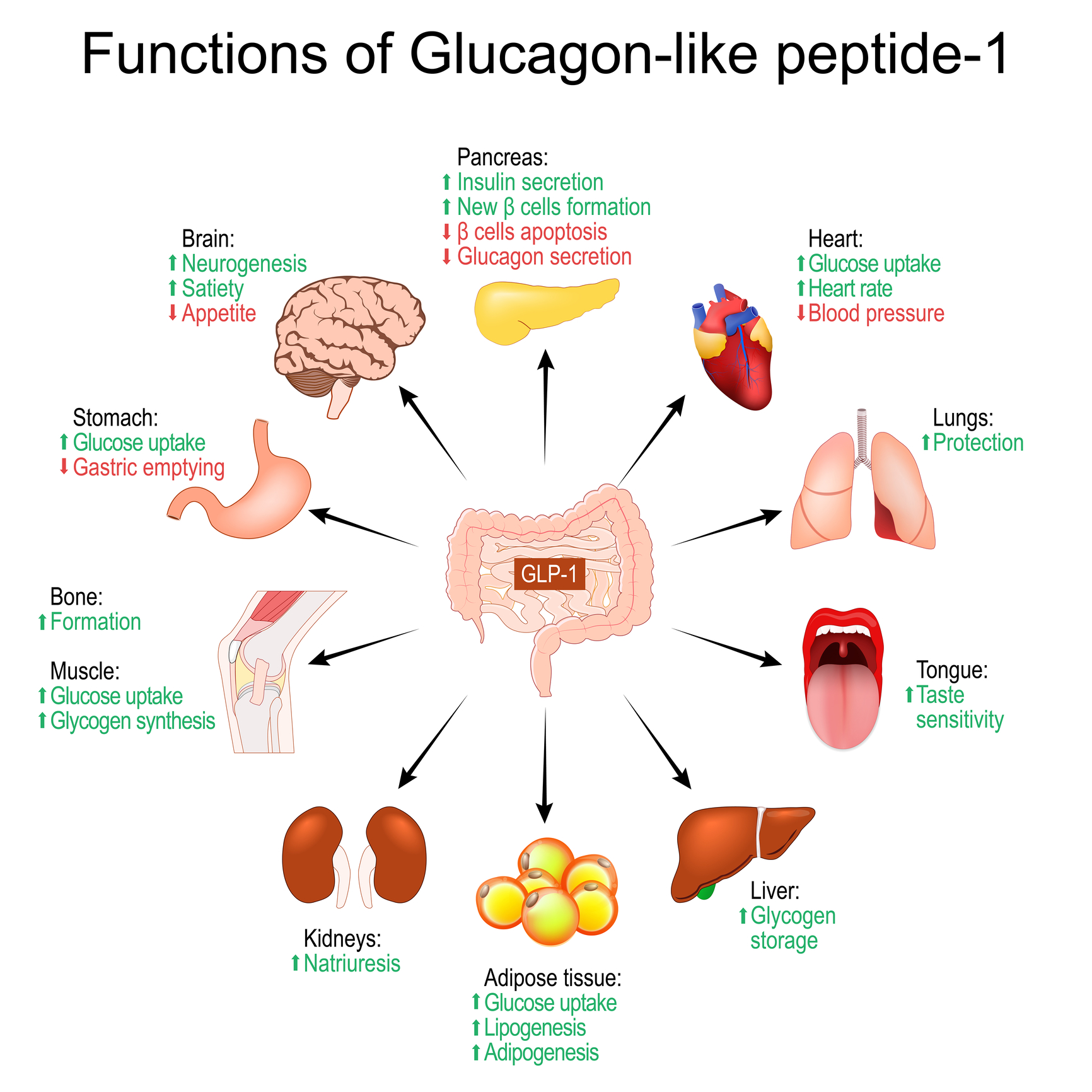
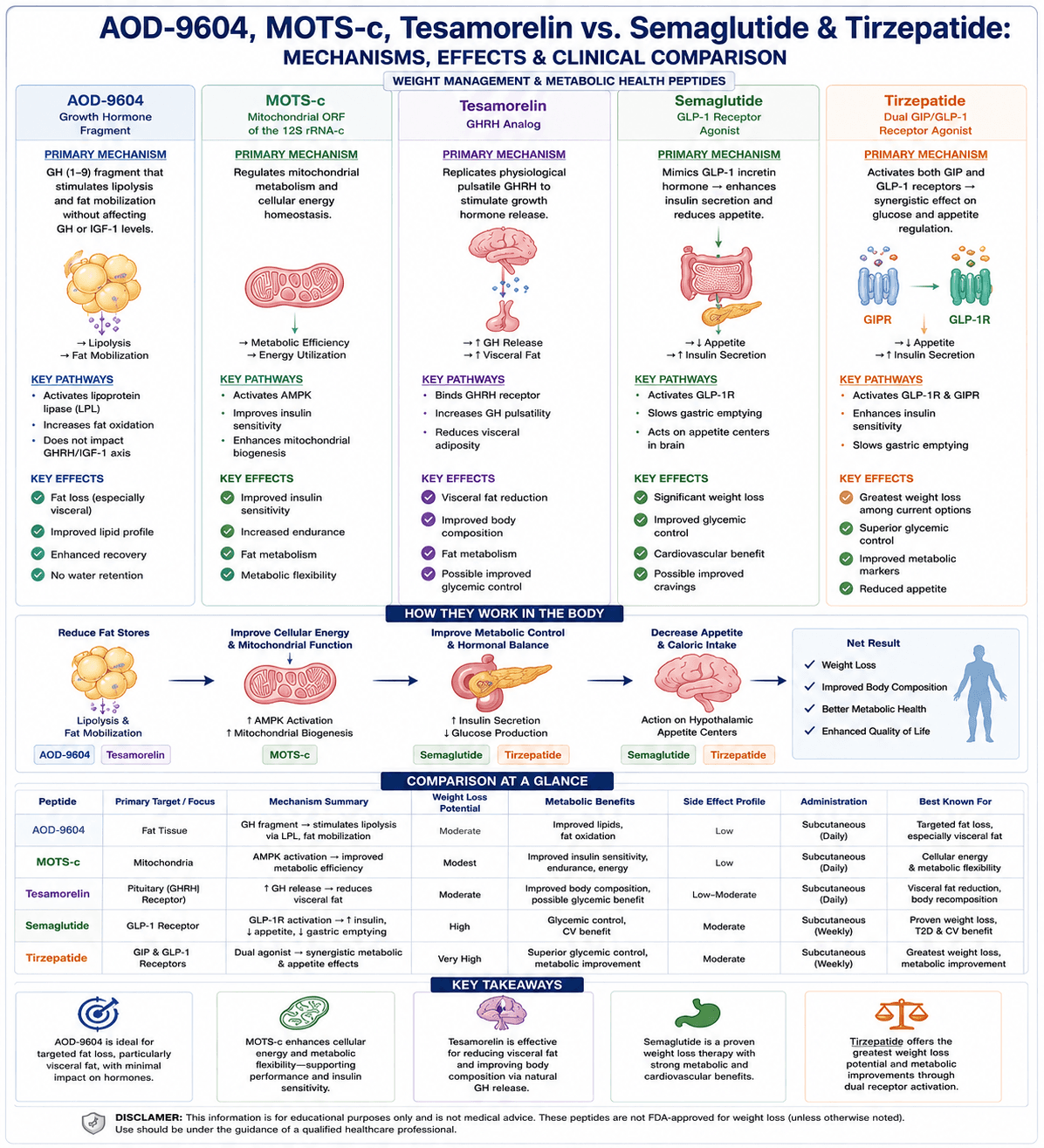
These agents are extensively utilized in managing T2DM and obesity and have demonstrated efficacy in reducing nonfatal myocardial infarction, stroke, and mortality in affected patients.57,59 Exenatide, a synthetic peptide with 50% sequence homology to GLP-1, is resistant to dipeptidyl peptidase-4-mediated degradation54 and was the first GLP-1RAs approved by the US Food and Drug Administration (FDA) for T2DM treatment in 2005.47 Prior to the advent of tirzepatide, a dual GLP-1/GIP receptor agonist, GIP was not considered therapeutically valuable.55,60 Compared to semaglutide and dulaglutide, tirzepatide has demonstrated superior reduction in glycated hemoglobin (HbA1c) and body weight.55 Although tirzepatide binds to the GIP receptor, its affinity for the GLP-1 receptor is approximately fivefold lower than that of endogenous GLP-1.61 Activation of GLP-1 and GIP receptors stimulates insulin secretion from pancreatic beta cells in response to postprandial elevation in plasma glucose, and this effect is markedly attenuated under normoglycemic conditions, thereby mitigating the risk of hypoglycemia associated with GLP-1RAs therapy.55 Furthermore, GLP-1RAs promote beta cell proliferation and inhibit apoptosis.58 GIP receptors are expressed on the alpha cells of islets, whereas approximately 1015% of alpha cells express GLP-1 receptors.62 GLP-1 receptor activation inhibits glucagon secretion, whereas GIP receptor activation increases glucagon secretion during normoglycemia or hypoglycemia, but suppresses glucagon secretion under hyperglycemic conditions.63 Gastric emptying significantly influences postprandial glycemic responses and represents a therapeutic target for diabetes management.64 The glucose-lowering effects of GLP-1RAs are predominantly attributed to their modulation of gastric emptying rather than their direct pancreatic effects.54 GLP-1 receptor activation delays gastric emptying by inhibiting gastric peristalsis and increasing pyloric sphincter tone,65 and this effect is more pronounced in individuals exhibiting rapid baseline gastric emptying.66 The vagus nerve mediates GLP-1s influence on gastrointestinal motility,67 as evidenced by the absence of gastric emptying delay in patients who have undergone vagotomy.68 GLP-1 receptors located in the gastric mucosa regulate insulin secretion but do not affect gastric motility.69 Conversely, GLP-1 receptors in the myenteric plexus activate nitrergic and cyclic AMP signaling pathways to inhibit vagal activity within the gut,70 resulting in decreased phasic gastric contractions, delayed gastric emptying, reduced gastric acid secretion, and increased fasting and postprandial gastric volumes.71 The effect of GLP-1RAs on gastric emptying varies according to the frequency and duration of exposure
Thnh phn: - Glutathione: Hng triu phn t Glutathone di dng micro nano thm thu 10 lp biu b, truyn trng mi t bo