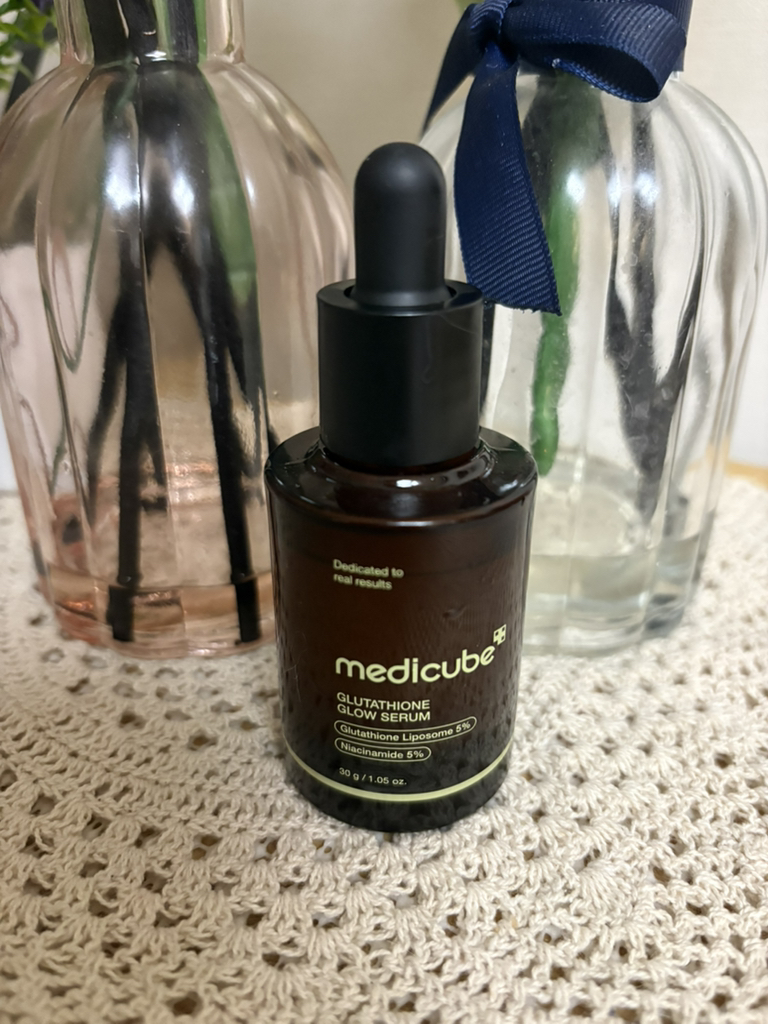
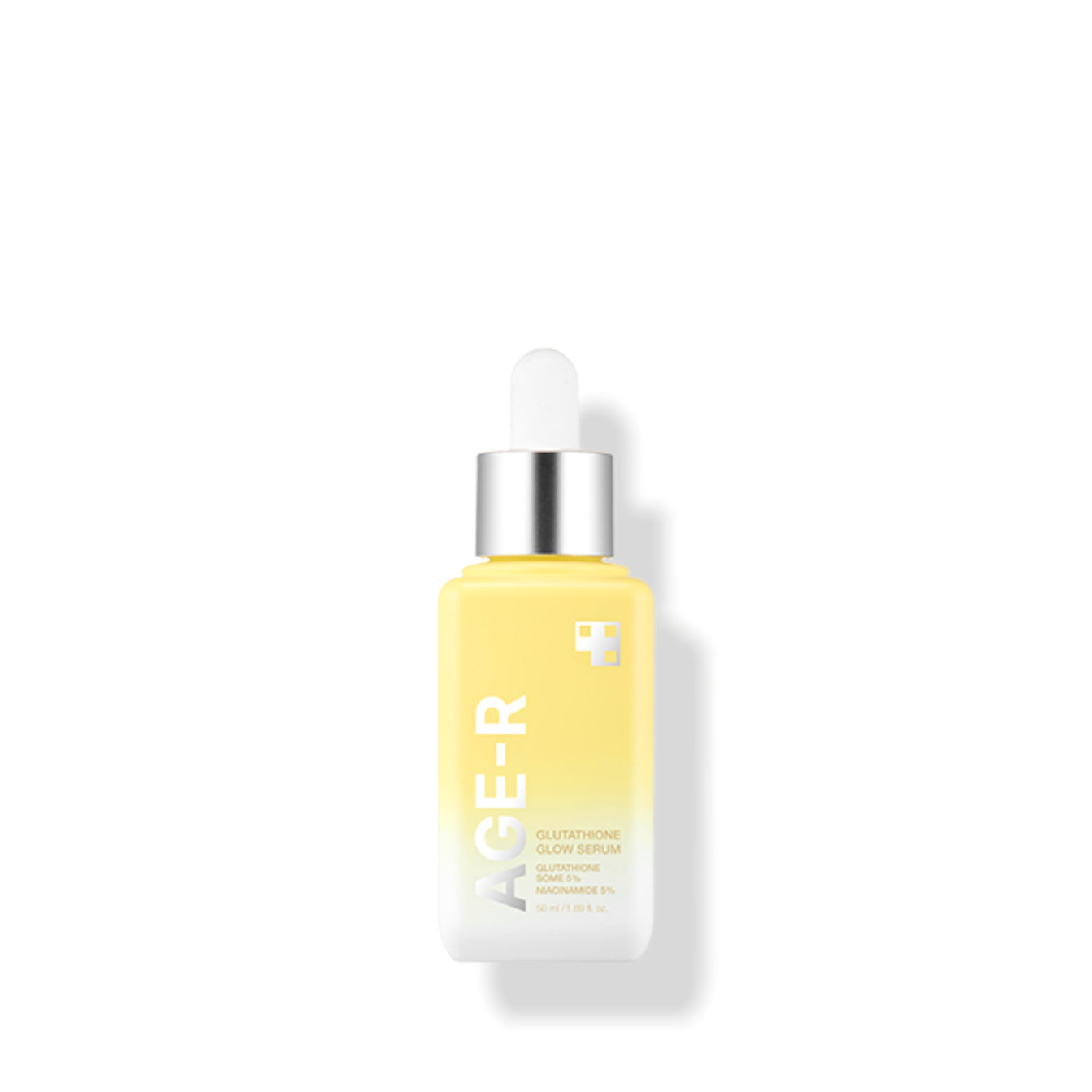
Water, Centella Asiatica Extract (13.5%), Butylene Glycol, Dipropylene Glycol, Nelumbo Nucifera Extract, Artemisia Annua Extract, Oryza Sativa (Rice) Extract, Saccharomyces Ferment, Niacinamide (1,000ppm), Glutathione (1,000ppm), Solanum Melongena (Eggplant) Fruit Extract, Melaleuca Alternifolia (Tea Tree) Leaf Extract, Hydrolyzed Collagen, Beta-Glucan, Hippophae Rhamnoides Fruit Extract, Sodium Hyaluronate, Madecassic Acid, Asiaticoside, Asiatic Acid, Squalane, Caprylic/Capric Triglyceride, Hydrogenated Lecithin, Glyceryl Stearate, Cholesterol, Propanediol, Disodium EDTA, Glyceryl Acrylate/Acrylic Acid Copolymer, Cellulose Gum, Xanthan Gum, Inulin, Cellulose, Glucose, Fructose, Polyglucuronic Acid, Hydroxyethyl Urea, Ethylhexylglycerin, Hydroxyacetophenone, Hydroxyethyl Acrylate/Sodium Acryloyldimethyl Taurate Copolymer, Glycerin, Dipotassium Glycyrrhizate, 1,2-Hexanediol, Carbomer, Arginine
Concurrently, GSH reduces Fe 3 + to Fe 2 + , which activates S 2 O 8 2 to generate highly toxic sulfate (SO 4 ) and hydroxyl radicals, inducing coordinated ferroptosis and pyroptosis in lung cancer cells 219
Why Chronic Conditions Respond Differently Acute injuries involve clear tissue damage requiring rapid repair signals
A recent study has demonstrated that the inhibition of Nrf2 signalling could significantly promote the incidence of type I diabetes mellitus, and, on the other hand, its reactivation reduces oxidative stress in pancreatic -cells [143]
Range of motion around an injured joint or tendon increases as inflammation decreases and the local tissue environment improves





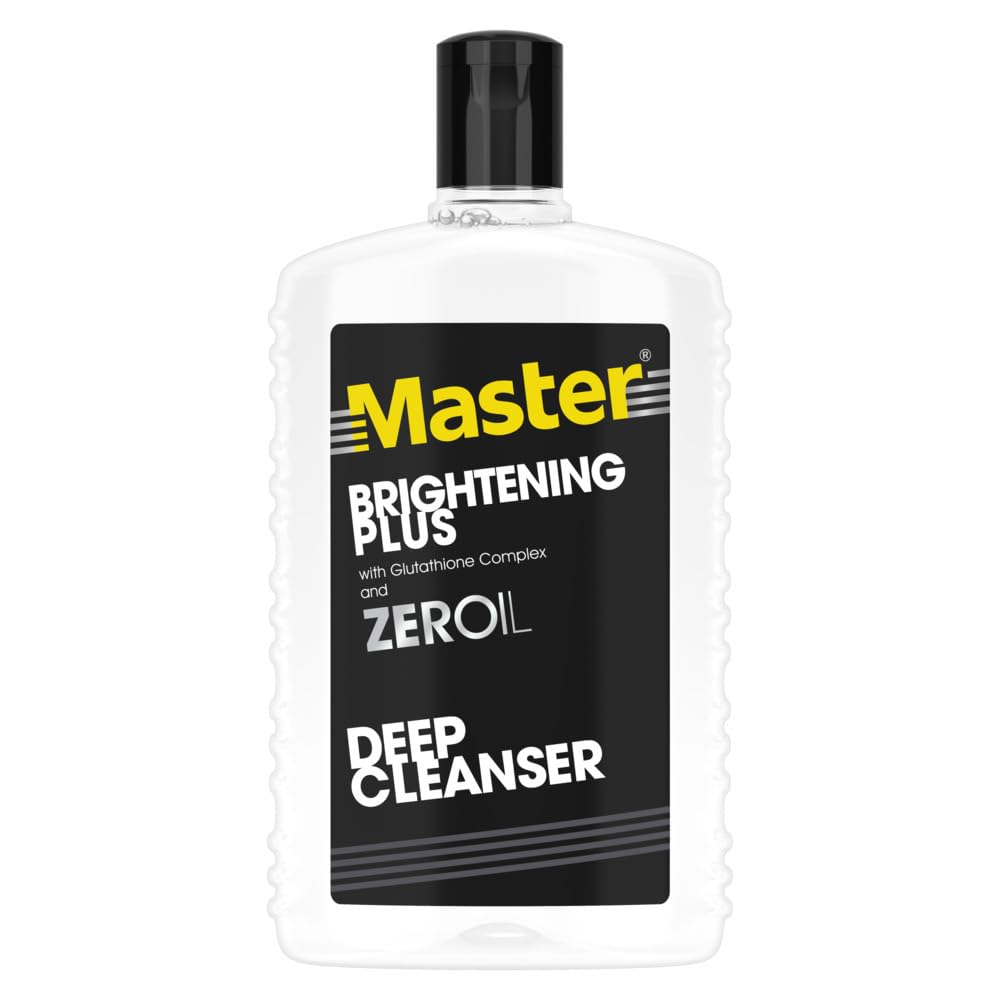
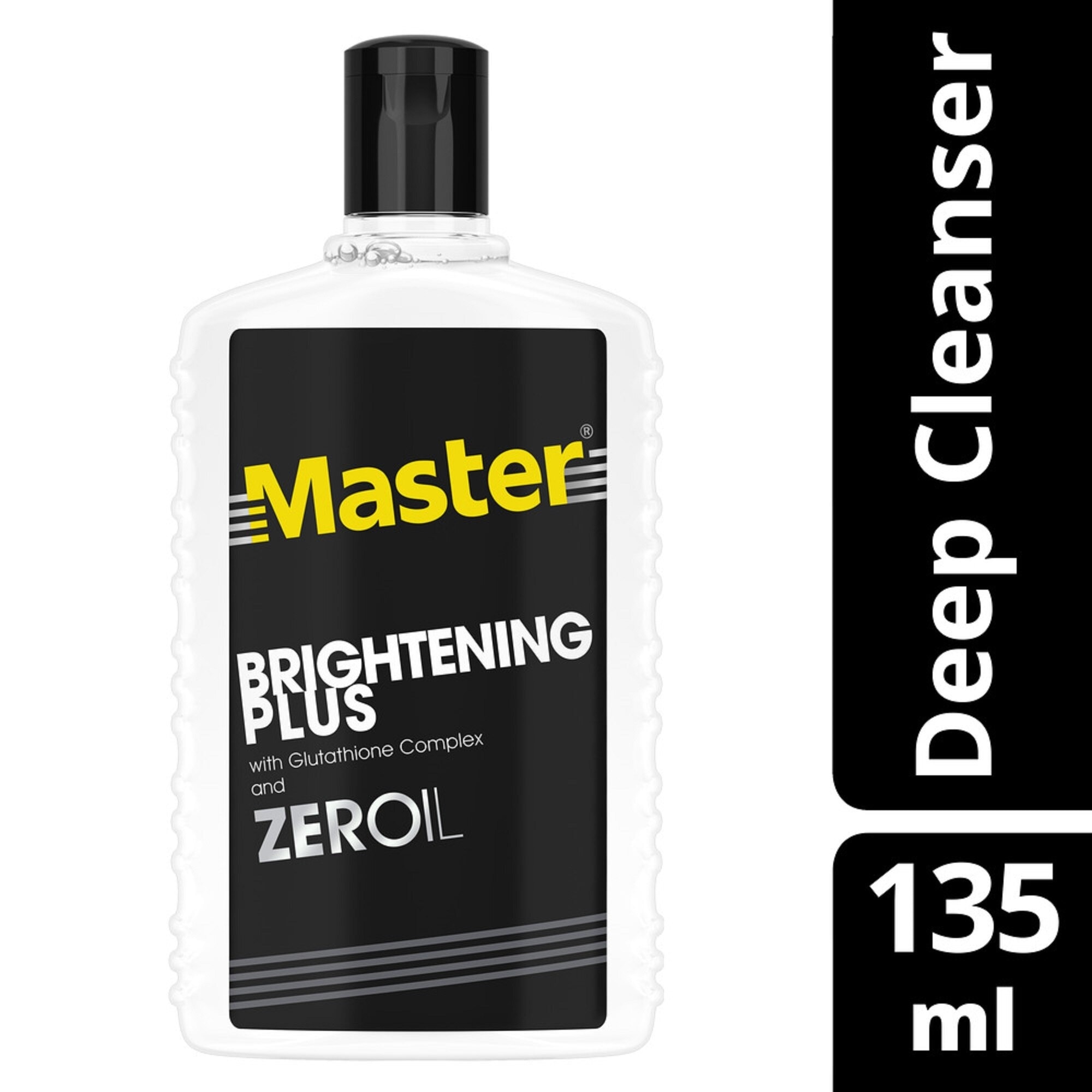

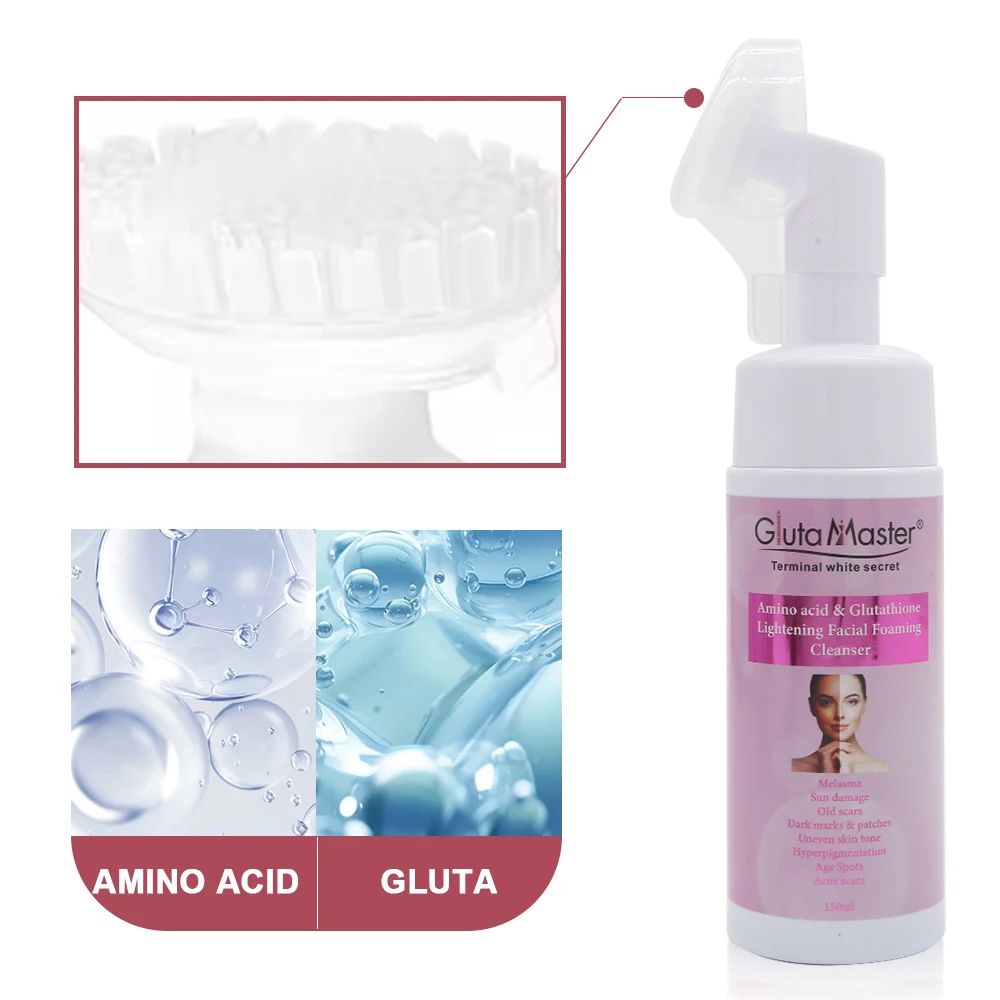

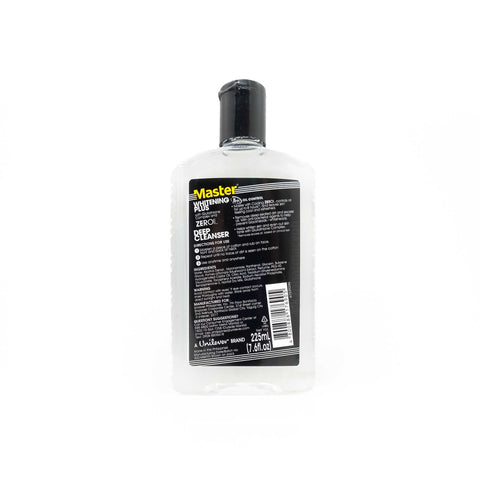
![Skin Concern] I have an oily and sensitive skin, is it ok for me to use this cleanser? : r/SkincareAddiction](https://preview.redd.it/skin-concern-i-have-an-oily-and-sensitive-skin-is-it-ok-for-v0-h2r60bfvvlw71.jpg?width=640&crop=smart&auto=webp&s=a9af8084225b7218dd839f0b4e8c70ffe26cbed7)